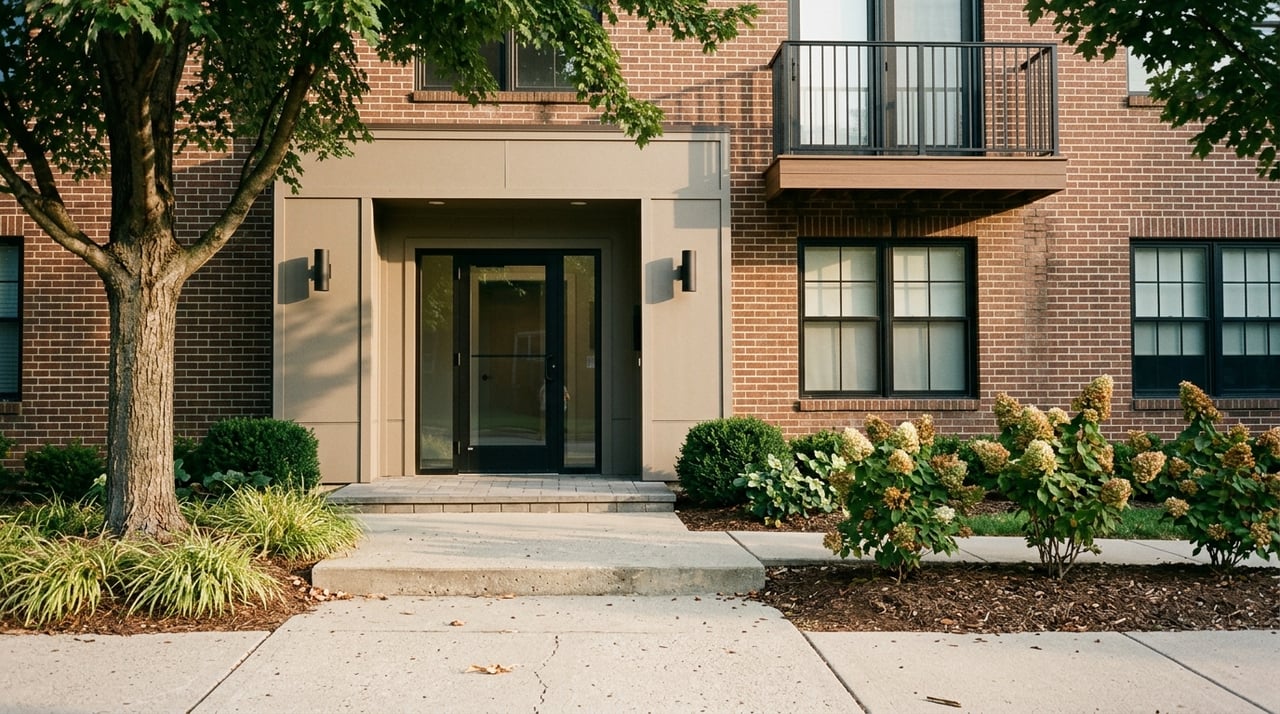
Choosing Between A Townhome Or Condo In Columbia
May 28, 2026
May 28, 2026
Trying to choose between a townhome and a condo in Columbia? You are not alone, and the answer is not always as simple as comparing square footage or monthly fees. In Columbia, the way a property is legally structured can affect your costs, maintenance, financing, and resale experience just as much as the floor plan. If you want to make a confident decision, it helps to understand how these homes actually work here. Let’s dive in.
Columbia has a community setup that makes the condo versus townhome decision more layered than it might be in other markets. Columbia Association manages nearly 3,600 acres of open space, 95 miles of pathways, three lakes, 23 outdoor pools, three fitness clubs, and other shared amenities across the area.
If a property is on Columbia Association-covenanted land, the deed includes a required annual charge. Columbia Association says that charge is 68 cents for every $100 of 50% of the state-assessed property value, and that rate has not changed since 2004, with increases capped at 3.5%.
That means your housing costs in Columbia may include more than just your mortgage and a condo or HOA fee. Depending on the property, you could be paying both a community-specific fee and the Columbia Association annual charge.
One of the biggest mistakes buyers make is assuming a townhome-looking property is automatically a townhome in the legal sense. In Maryland, that is not always true.
Some homes that look like multistory townhomes are legally condos. That matters because the ownership documents, not the exterior style, determine who maintains what, what fees you pay, and what disclosures you receive during the transaction.
Before you fall in love with a layout, ask a more important question: Is this property legally a condo or a fee-simple townhome with an HOA? That answer shapes almost everything else.
Under Maryland condo law, a condo is a unit within a larger property that also includes common elements. Unless the condo declaration says otherwise, the council of unit owners is responsible for maintaining, repairing, and replacing the common elements, while you are responsible for your unit.
In practical terms, condo ownership often means a lower-maintenance setup. Condo fees often cover exterior maintenance and common-area upkeep, and they may also include water, sewer, trash, insurance, amenities, and reserves.
That can make condos appealing if you want fewer hands-on responsibilities. It can also make your monthly budget easier to predict, depending on what the fee includes.
With condos, some spaces that feel private may not be owned the same way your interior space is owned. Maryland law calls these limited common elements, which are common elements reserved for the exclusive use of one or more unit owners.
That can include things like assigned parking, balconies, patios, or storage areas. So if those features matter to you, it is important to confirm whether they are part of the unit itself or governed through the condo documents.
For a townhome in a homeowners association, the governing documents control the details. Maryland’s HOA law defines a lot as the parcel on which the dwelling sits, while common areas are property owned or leased by the HOA.
If the HOA is responsible for common areas, its budget must include maintenance, utilities, reserves, and capital expenses. Associations with that responsibility are also required to have reserve studies and funding plans.
This is why two townhomes in Columbia can feel similar but come with very different responsibilities. One may be fee simple with an HOA that handles shared spaces only, while another may be a condo-titled property where the association has broader maintenance responsibility.
Monthly or annual fees should never be judged by price alone. The smarter question is: What does this fee actually cover, and what owner risk does it reduce?
In Columbia, that question is especially important because some buyers may have two layers of community cost:
A lower monthly fee is not always better if it means you take on more maintenance or future repair exposure. A higher fee may provide value if it covers exterior repairs, insurance, utilities, amenities, and reserves.
If you are also thinking about resale potential, current market conditions offer useful context. In the latest Columbia snapshot from Redfin, there were 47 townhouses for sale with a median listing price of $455,000, compared with 39 condos at a median listing price of $246,000.
Townhomes were averaging 22 days on market and about 4 offers, while condos averaged 35 days on market and 1 offer. Columbia’s all-home-type median sale price was $493,000 in March 2026, up 3.8% year over year.
This does not guarantee future appreciation for either property type. Still, it suggests that, right now, the buyer pool in Columbia is deeper for townhomes than for condos.
A condo may make sense if you want a simpler ownership experience and a lower entry price. In Columbia, condos are currently much less expensive than townhomes based on median listing price, which can matter if you are trying to balance budget with location.
A condo can also be a strong fit if you prefer less exterior maintenance and are comfortable with a community structure where shared elements are maintained by the association. Because Columbia already offers extensive shared amenities and open space through its broader community setup, some buyers may find that condo living still supports a very full lifestyle here.
A townhome may be a better choice if you want a more house-like layout and more private space. Many buyers are drawn to townhomes for multilevel living, separate entryways, and a setup that feels closer to a detached home.
In the current Columbia market, townhomes are also moving faster and drawing more offers. If future resale flexibility is high on your list, that stronger current demand may be worth considering alongside your day-to-day lifestyle needs.
Financing is another area where condos and townhomes can diverge. Condo financing may be more sensitive to project-level issues than financing for a fee-simple townhome.
Lenders may look at the condo project’s condition, financial stability, lawsuits, structural integrity debt, mandatory inspections, and overall warrantability. If a condo project does not meet lending eligibility standards, financing options may be more limited, which can also affect resale down the road.
That does not mean you should avoid condos. It does mean you should look beyond the unit and understand the health of the larger project before moving forward.
Maryland gives buyers detailed disclosure rights for both condos and HOA communities. Condo sellers must disclose items such as monthly assessments, unpaid assessments, other fees, planned capital expenditures, budget and reserve information, insurance descriptions, pending lawsuits, health or building-code issues affecting common elements, and the unit owner’s responsibility for the association’s insurance deductible.
HOA sales have a separate disclosure package that includes current fees or assessments, prior-year totals, delinquent charges, governing documents, pending lawsuits or default notices, and the lot’s HOA obligations. Condo purchases also come with a 7-day rescission right after the buyer receives the required resale information.
This is where careful review really matters. Before removing contingencies, make sure you understand the budget, reserve study, special assessments, insurance setup, and any planned capital projects.
If you are comparing condos and townhomes in Columbia, these questions can help you cut through the noise:
These answers often matter more than whether the home is labeled a condo or townhome in a casual conversation.
There is no one-size-fits-all answer in Columbia. A condo may be the right move if you want lower-maintenance living and a lower price point. A townhome may be the better fit if you want more space, a more house-like feel, and stronger current market demand.
The key is to compare the legal structure, fee coverage, Columbia Association obligations, financing factors, and resale conditions before you decide. When you look at the full picture, you can choose the home that truly fits your life, not just the one that looks right at first glance.
If you want help comparing specific properties in Columbia, The Thomas Team can walk you through the details, explain the fine print clearly, and help you move forward with confidence.
Stay up to date on the latest real estate trends.





Collaborate with a team that truly understands your vision, prioritizes your goals, and works alongside you every step of the way. Experience clear, consistent communication, thoughtful planning, and a commitment to delivering results you can trust—executed with confidence, precision, and a shared drive for success.