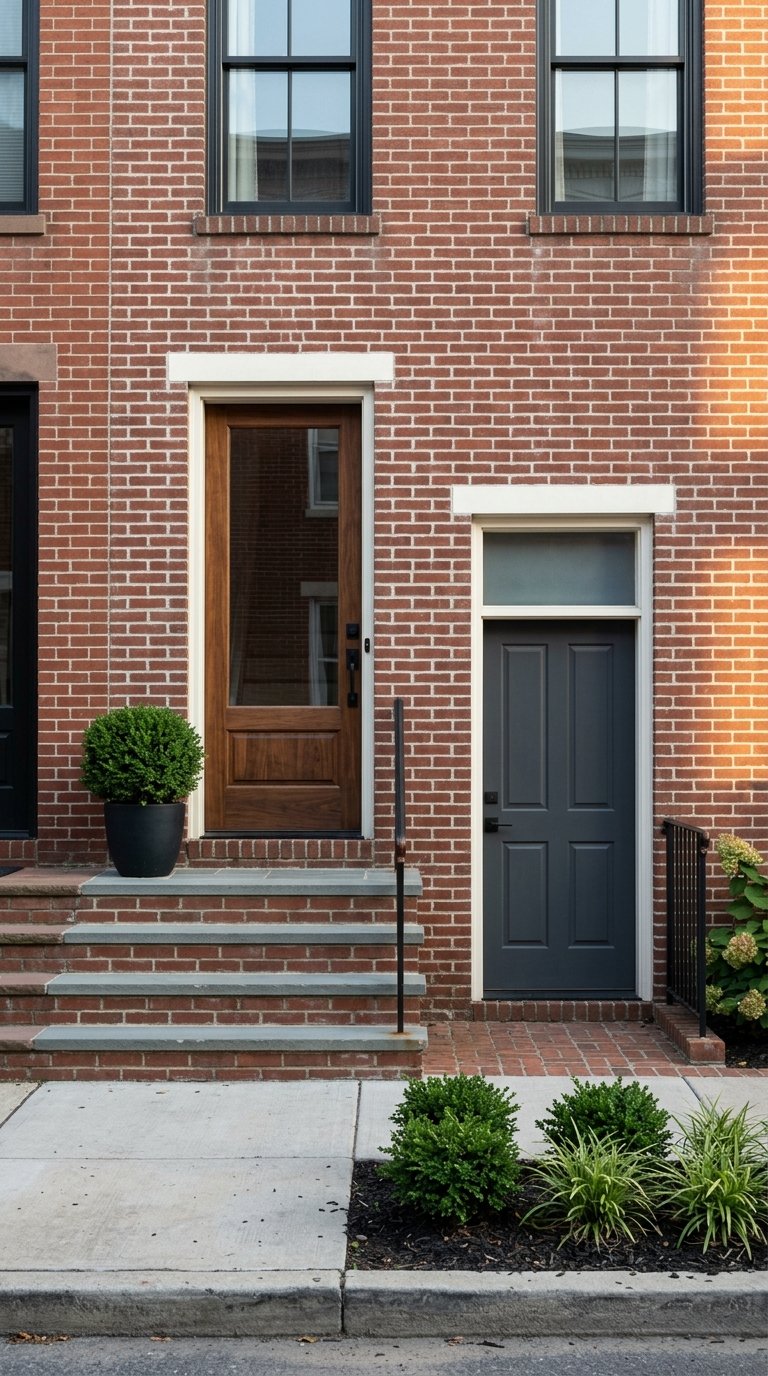
House Hacking Possibilities With Baltimore Rowhomes
June 4, 2026
June 4, 2026
If you have ever looked at a Baltimore rowhome and thought, could this place help pay for itself?, you are not alone. For many buyers, house hacking feels like a smart way to lower monthly costs while building equity, but it can also feel confusing when you start thinking about layouts, zoning, and rental rules. The good news is that Baltimore’s rowhome housing stock creates real possibilities if you know what to look for. Let’s dive in.
Baltimore rowhomes are a natural fit for house hacking because rowhouses are one of the city’s defining housing types. They appear across Baltimore, from smaller alley houses to larger three-story homes, and the city’s R-8 Rowhouse Residential District is designed to preserve traditional rowhouse development.
That matters because many rowhomes already have the kind of floor plans that can support shared living or a semi-independent rental setup. In practical terms, you may find opportunities in a single-family rowhome with a basement or upper-level suite, an existing 2-unit rowhome, or a larger rowhome with potential for legal multifamily use.
Baltimore City’s rental inspection materials also recognize both 1-2 family rowhomes and multi-unit rowhomes. That does not mean every property is ready to rent as-is, but it does show that rowhomes are a familiar part of the city’s rental landscape.
House hacking is not one-size-fits-all. In Baltimore, it often comes down to using the space in a way that feels functional for you while also meeting local rules.
Some buyers look for a rowhome with a basement or top-floor space that feels separate from the main living area. If that area has practical privacy features and safe access, it may work better for day-to-day living and future rental use.
An already configured 2-unit property can simplify the process because the home may already be set up for separate occupancy. Even so, you still need to verify the current legal status, licensing requirements, and condition of each unit.
A bigger rowhome may seem like an easy candidate for adding a second unit, but this is where buyers need to slow down. Not every rowhome can legally be split into multiple units, and assuming you can convert later can create expensive surprises.
When you are evaluating a Baltimore rowhome for house hacking, the layout is often more important than the headline price. A beautiful home can still be a poor fit if the rental area feels awkward, unsafe, or difficult to manage.
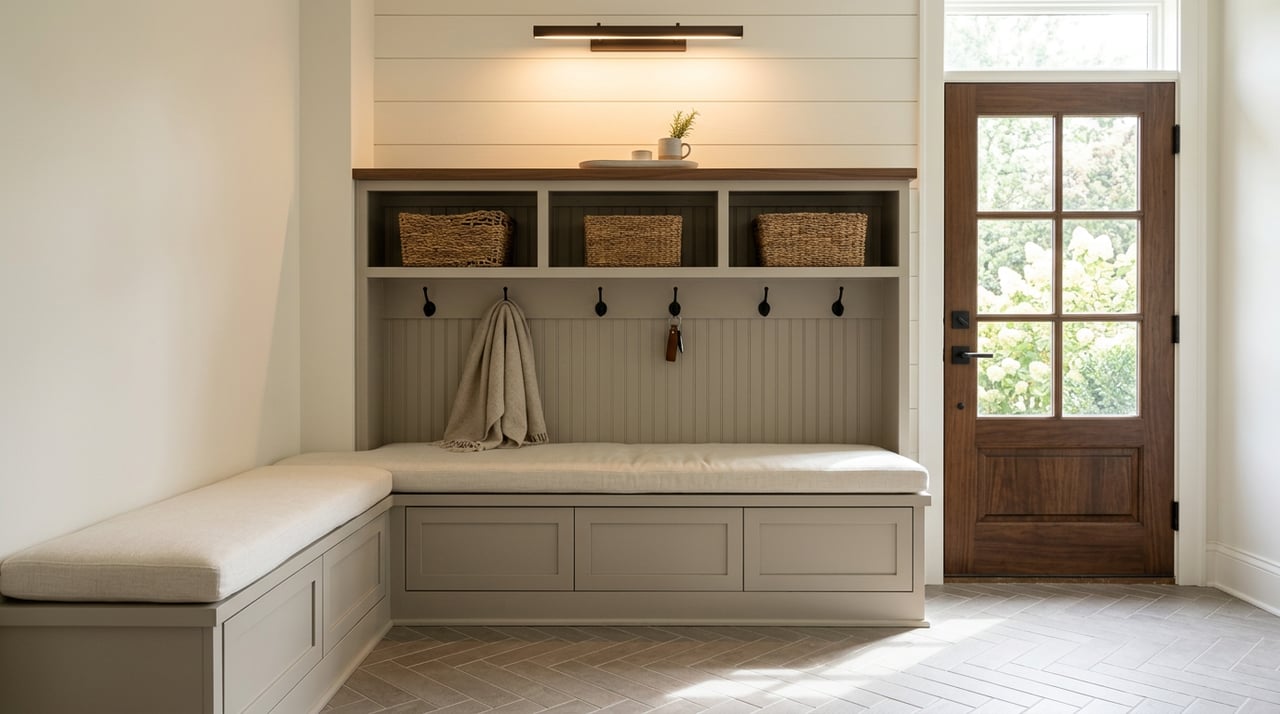
Look closely at features that support privacy, safety, and usability, such as:
These are not just nice-to-have details. Baltimore City’s rental inspection checklist specifically calls out operational smoke detectors, carbon monoxide alarms, functioning locks on unit entry doors, and proper egress for basement bedrooms.
A setup tends to work better when the rented space feels intentional rather than improvised. If a future tenant would need to pass through your kitchen or living room every day, that can create friction even if the numbers look appealing at first.
This is one of the biggest mistakes house-hack buyers can make in Baltimore: falling in love with a layout before confirming what is actually allowed. A basement apartment or upper-floor unit may seem obvious, but zoning determines whether a single-family home can be converted to multifamily use.
Baltimore’s zoning code allows conversion from a single-family dwelling to a multifamily dwelling only in R-7, R-8, R-9, and R-10 residential districts. In R-7 and R-8 districts, that conversion also requires conditional-use approval by ordinance.
So before you assume a property can become a legal 2-unit home, verify the zoning and whether any approvals would be required. That step can help you avoid buying a property based on a plan that may not be permitted.
If you plan to rent any portion of the property, licensing matters. Baltimore City requires rental dwellings to be registered, inspected, and licensed, and the city prohibits renting or offering to rent a rental dwelling without a currently effective license from the Housing Commissioner.
For buyers, this is especially important when purchasing a home that already has a tenant or a prior rental setup. Baltimore City says rental licenses do not transfer when a property is sold, so a new owner must apply for a new license within 60 days of assuming ownership or operation.
In other words, a seller’s past setup does not automatically carry over to you. You want to understand the licensing path early so you can budget time and money correctly.
Many Baltimore rowhomes were built before 1978, which adds another layer if you plan to rent part of the property. In Maryland, pre-1978 rental properties must be registered under the state’s lead program.
The Maryland Department of the Environment says new registration is required within 30 days after purchase, renewals are due every two years, and lead inspection or risk-reduction standards must be met at every change of occupancy. State lead requirements are separate from Baltimore’s local rental licensing rules, so you may need to handle both.
This is one of the most important planning items for older rowhomes. If you are considering house hacking, you want to know early whether the age of the home creates extra compliance steps.
If you plan to create or alter a second unit, permits may be required for the work. That means your budget should include more than cosmetic updates.
Baltimore’s rental inspection materials point to the kinds of code issues that often matter in a rowhome setup, including alarms, doors, windows, heat, hot water, and basement bedroom egress. Some corrections may also require permits, so it is wise to treat renovation plans as a legal and logistical question, not just a design project.
Buyers often want to start with rent numbers, and those numbers can be helpful. As of May 23, 2026, RentCafe reported average apartment rent in Baltimore City at $1,643, with neighborhood averages of $2,607 in Fells Point, $2,606 in Otterbein, $1,828 in Bolton Hill, and $1,784 in Hampden.
HUD’s FY 2026 Fair Market Rents for the Baltimore-Columbia-Towson metro were $1,511 for a 1-bedroom and $1,857 for a 2-bedroom. These figures can offer a broad benchmark, but they are not a perfect match for rowhomes, duplexes, or partial-home rentals.
That is why house hacking in Baltimore is often more of a fit question than a simple rent-number question. A rentable space usually performs better when it feels private, has a workable kitchen and bath arrangement, and avoids obvious daily friction.
Parking may not be the first thing you think about when touring a rowhome, but it can affect how practical the setup feels. Baltimore has a Residential Permit Parking Program, and residents in a Residential Parking Area may receive permits.
The city code says no more than four resident permits may be issued for the same dwelling unit unless special authorization is granted. For a house hack, that means off-street parking or a workable permit situation can become part of the overall rental appeal.
Parking will not make or break every deal, but it is worth reviewing as part of the full layout and lifestyle picture.
If you are touring Baltimore rowhomes with house hacking in mind, focus on three checkpoints first:
After that, look at the practical side:
Those questions help you move past the fantasy version of house hacking and toward a smarter, more workable purchase.
Baltimore rowhomes can open the door to creative buying strategies, but the best opportunities are usually the ones where the numbers, the layout, and the local rules all line up. This is where patient, clear guidance matters most.
If you are thinking about buying a Baltimore rowhome for house hacking, you want more than a quick tour and a rough rent guess. You want to understand how the property functions, what questions to ask early, and which issues could affect your plan before you write an offer.
If you are exploring house hacking possibilities in Baltimore, The Thomas Team can help you evaluate rowhomes with a clear, practical lens so you can move forward with confidence.
Stay up to date on the latest real estate trends.

Collaborate with a team that truly understands your vision, prioritizes your goals, and works alongside you every step of the way. Experience clear, consistent communication, thoughtful planning, and a commitment to delivering results you can trust—executed with confidence, precision, and a shared drive for success.