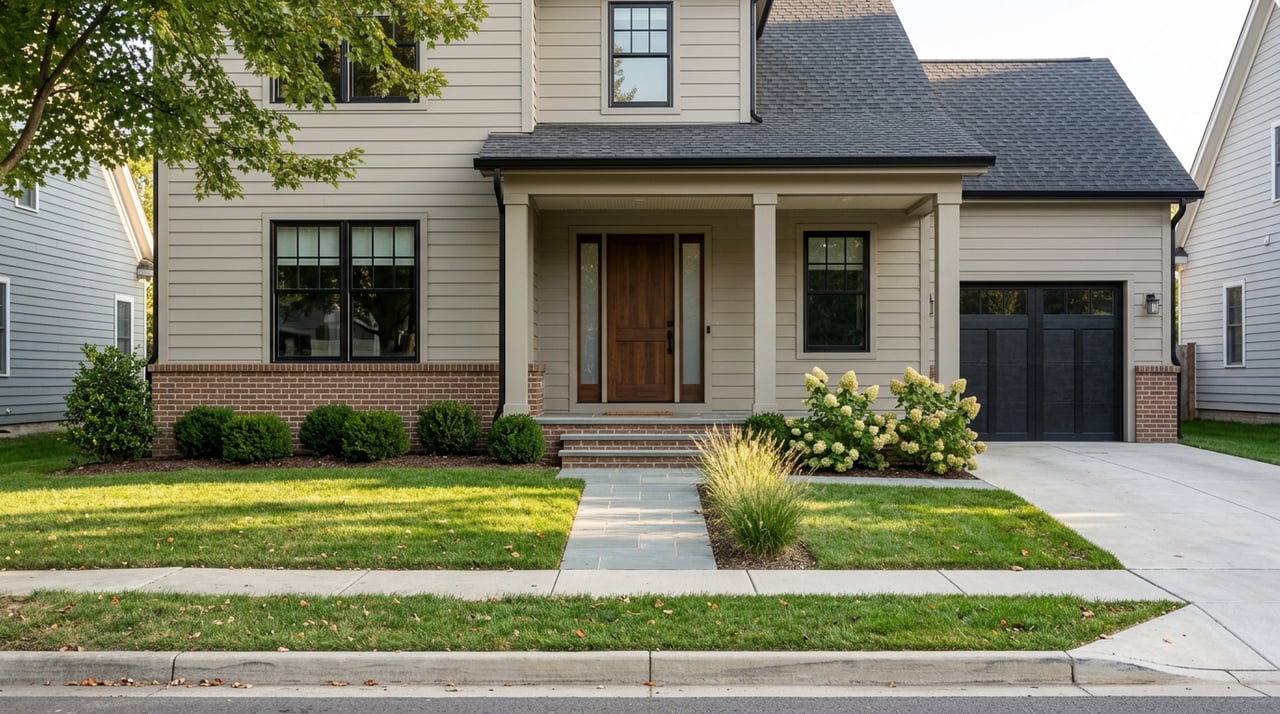
Comparing A Baltimore Home Purchase To Nearby Suburbs
June 11, 2026
June 11, 2026
If you are deciding between buying in Baltimore City or heading to the nearby suburbs, you are not alone. Many buyers want to balance budget, space, commute, and day-to-day lifestyle without feeling like they have to guess their way through the decision. The good news is that the tradeoffs across greater Baltimore are pretty clear, and once you understand them, your next step gets much easier. Let’s dive in.
For many buyers, the biggest difference starts with price. Redfin’s March 2026 median sale prices show Baltimore City at $240,000, compared with $370,000 in Baltimore County, $374,000 in Harford County, $505,000 in Anne Arundel County, and $568,000 in Howard County.
That creates a real pricing ladder across the region. If you want the lowest typical entry point, Baltimore City stands out. If you want to move outward without jumping into the highest price tiers, Baltimore County often lands in the middle as a more balanced option.
It is also important to know that city pricing is not one-size-fits-all. In South Baltimore, for example, Redfin reported a median sale price of $367,000, which overlaps with Baltimore County. So while city versus suburb is a helpful way to compare options, your actual price point will still depend on the specific area and home type.
A lower median price in Baltimore City can open the door to homeownership sooner. If you are a first-time buyer or trying to keep more room in your monthly budget, that lower starting point may make the city especially appealing.
The suburbs usually ask for more upfront, but they often give you more space in return. Census data shows median room counts of 5.5 in Baltimore City, 6.2 in Baltimore County, and 6.9 to 7.0 in Anne Arundel, Howard, and Harford counties.
That means your decision is often less about city versus suburb in the abstract and more about how you want to spend your housing dollars. Would you rather prioritize a lower purchase price and stronger transit access, or put more of your budget toward extra rooms and a different housing style?
One of the clearest differences between Baltimore City and nearby suburbs is the housing stock itself. In Baltimore City, attached homes dominate the landscape. The city’s housing data shows that about half of all units are 1-unit attached structures, and the 2020-2024 ACS reports 50.4% attached homes compared with 14.7% detached homes.
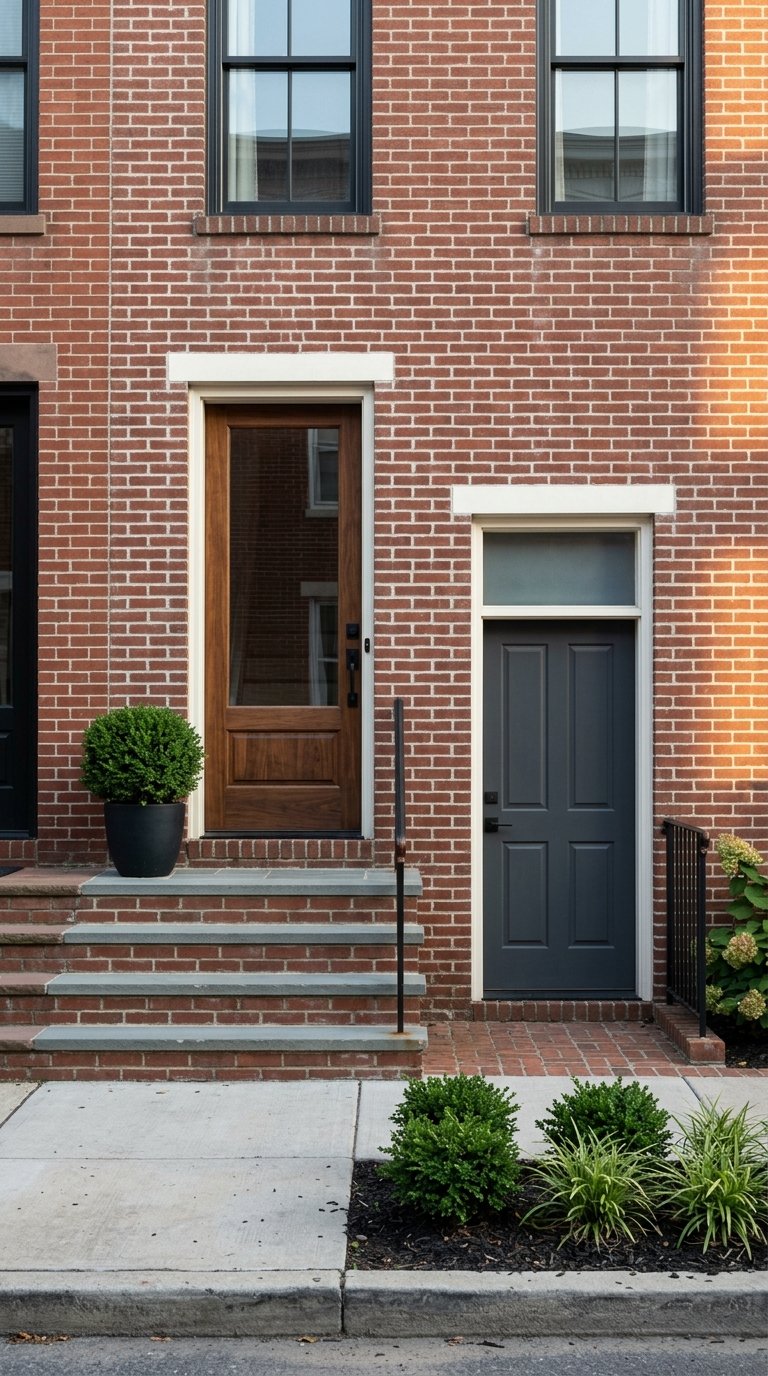
That often means rowhomes, townhome-style living, and more compact lots. For some buyers, that layout feels connected, convenient, and full of character. For others, the goal is more separation, a larger yard, or a detached home footprint.
The counties shift more in that direction. Detached housing makes up 47.5% of homes in Baltimore County, 58.6% in Anne Arundel, 50.1% in Howard, and 59.3% in Harford. If you know you want a detached home, the suburbs may simply give you more options to choose from.
Price and style are only part of the equation. The age of the home can affect maintenance, repairs, and the level of inspection detail you may need before moving forward.
Baltimore City has a much older housing stock than the surrounding counties. According to the city’s Consolidated Plan, 41.5% of city homes were built in 1939 or earlier. That compares with 6.9% in Baltimore County, 4.5% in Harford, and just 1.9% in both Anne Arundel and Howard counties.
Older homes can offer charm, established streetscapes, and architectural details you may not find in newer areas. They can also bring more upkeep, more repair questions, and more items to evaluate during inspections. If you are considering a city purchase, it is smart to go in with clear expectations and a careful review process.
A lot of buyers assume the suburbs automatically mean a much longer commute. In greater Baltimore, the data shows the difference is not always dramatic when you look at average travel time alone.
Mean commute times are 29.4 minutes in Baltimore City, 28.1 minutes in Baltimore County, 30.6 minutes in Anne Arundel, 29.9 minutes in Howard, and 33.0 minutes in Harford. Those numbers are closer than many people expect.
The bigger difference is usually how you commute. In Baltimore City, 10.3% of workers use public transportation and 5.6% walk, while 55.5% drive alone. In the surrounding counties, drive-alone rates rise sharply and transit use drops, making car dependence much more common.
If access to train, light rail, subway, or bus service matters to you, Baltimore City has a clear advantage. MDOT MTA operates local buses, commuter buses, Light RailLink, Metro SubwayLink, and MARC Train service across the region.
That network can support buyers who want flexibility in how they get around. The Penn Line, for example, connects Baltimore Penn Station with BWI and Union Station, with stops in Baltimore City, Odenton, Bowie, and north to Harford County.
This does not mean suburban living is off the table if you commute. It simply means your daily routine may rely more heavily on driving, especially as you move farther from the city core.
Another useful comparison point is how much of an area is owner-occupied versus renter-occupied. Baltimore City is 47.5% owner-occupied and 52.5% renter-occupied, while Baltimore County is 66.0% owner-occupied, Anne Arundel is 74.0%, Howard is 72.6%, and Harford is 79.4%.
This matters because it often reflects a different housing mix and ownership pattern. It does not tell you everything about any one block or community, but it can help explain why the city and suburbs may feel different from a housing perspective.
For buyers comparing options, this is another reminder that the counties generally lean more toward ownership-heavy housing stock, while Baltimore City offers a more mixed landscape.
If you feel torn between the city and the outer suburbs, Baltimore County often deserves a closer look. It is meaningfully less expensive than Anne Arundel and Howard, but it still offers more space on average than Baltimore City.
It also keeps a more mixed housing inventory than some other counties. With 47.5% detached and 24.1% attached homes, Baltimore County can work well for buyers who want flexibility in home style without stretching all the way into the highest price points.
For many central Maryland buyers, this is the sweet spot. You may be able to gain space and a wider mix of housing choices while staying closer to the city than farther-out suburban options.
Harford County sits at a price point close to Baltimore County based on the March 2026 median sale prices, but it is generally farther out and more car-dependent. Its drive-alone commuting share is 77.5%, and its mean commute time is the longest of this group at 33.0 minutes.
Anne Arundel County represents a bigger jump in price, with a median sale price of $505,000. Buyers there are typically choosing among more detached-home-oriented options and larger room counts, but they should expect a higher cost of entry.
Howard County stands at the highest median sale price in this comparison at $568,000. It also offers larger homes on average, with room counts in the upper end of the group, but the budget jump from Baltimore City is significant.
If you are trying to narrow your search, start with your non-negotiables. Think about your comfortable monthly payment, the amount of space you truly need, whether transit access matters, and how much home maintenance you are prepared to take on.
Baltimore City may be the better fit if you want a lower entry price, stronger transit access, and are open to attached housing or older homes. The nearby suburbs may be a better fit if you want more rooms, more detached-home options, and are comfortable with a more car-centered routine.
You do not need to decide based on stereotypes or broad assumptions. You need a clear comparison of what your budget can do in each area and a plan that matches your lifestyle now and a few years from now.
Working through that decision with an experienced local team can make a big difference. If you want help comparing Baltimore City with Baltimore County, Harford, Anne Arundel, or Howard based on your goals, The Thomas Team can help you build a smart, informed plan.
Stay up to date on the latest real estate trends.

Collaborate with a team that truly understands your vision, prioritizes your goals, and works alongside you every step of the way. Experience clear, consistent communication, thoughtful planning, and a commitment to delivering results you can trust—executed with confidence, precision, and a shared drive for success.